Epoxy Explained
.jpg)
.jpg)
.jpg)
Learn what epoxy is, how it works, and when to use it for strong, long-lasting repairs.
Find step-by-step guidance and pro tips to help you get the strongest possible bond.
Compare your options to find the perfect fit
-min.avif) Gorilla Epoxy | -min.avif) Gorilla Epoxy Ultimate | |
|---|---|---|
Set Time | 5 minutes | 10 minutes |
Strength | Up to 3300 PSI | Up to 4250 PSI |
Curing Color | Clear | Black |
Water Protection | Water Resistant | Waterproof* |
Best For | Household repairs, glass, ceramics and surfaces where clear appearance matters | Heavy-duty repairs, outdoor projects, and surfaces exposed to moisture |
*Bonded wood materials should not be submerged or soaked in water
When the job demands strength and durability, try Gorilla Epoxy
From household fixes to heavy-duty repairs, Gorilla Epoxy Clear and Epoxy Ultimate deliver dependable results.
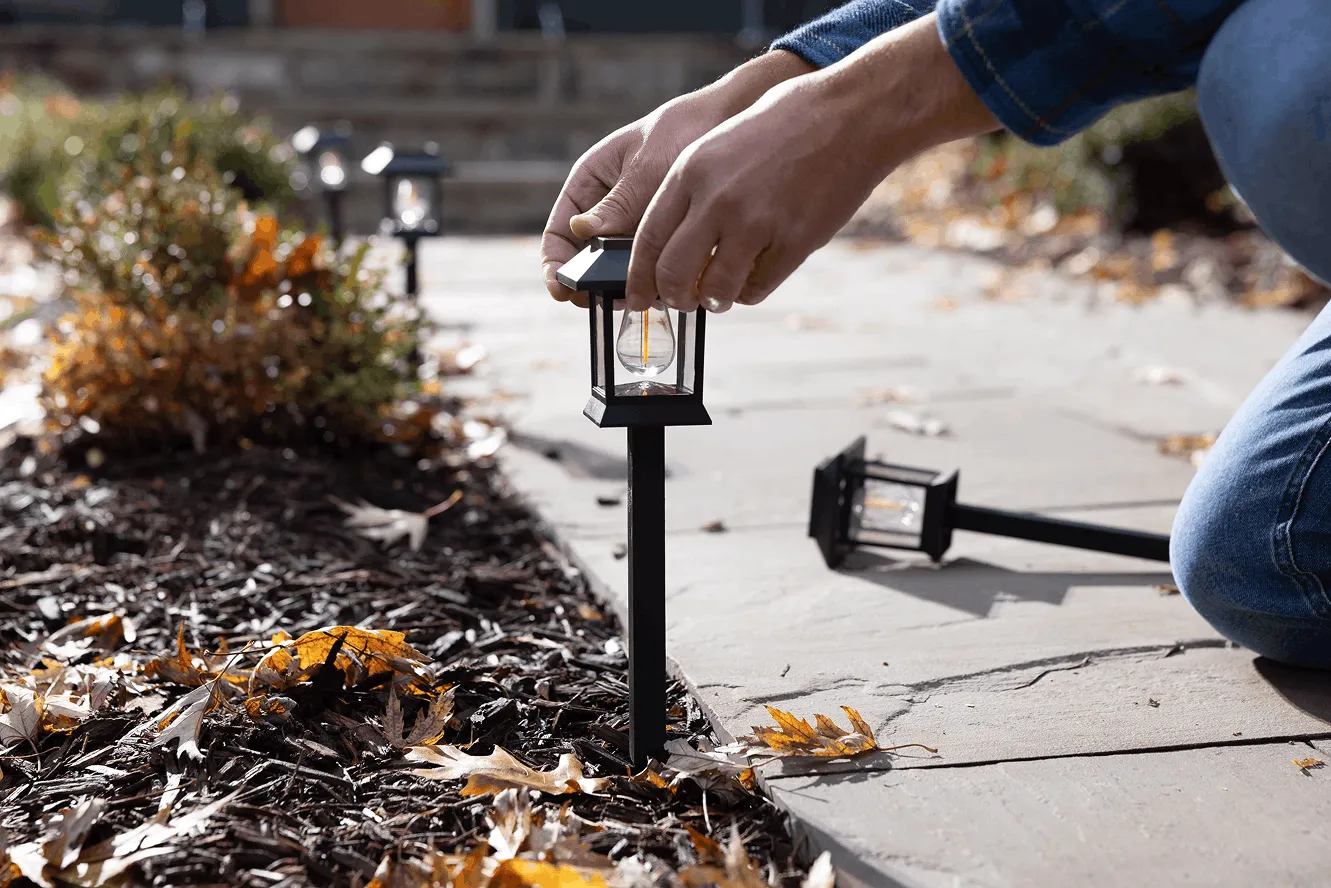
Designed to handle demanding repairs, Gorilla Epoxy offers incredible bonding strength.
.webp)
Fills voids and spaces for a tight, long-lasting hold—even on uneven surfaces.
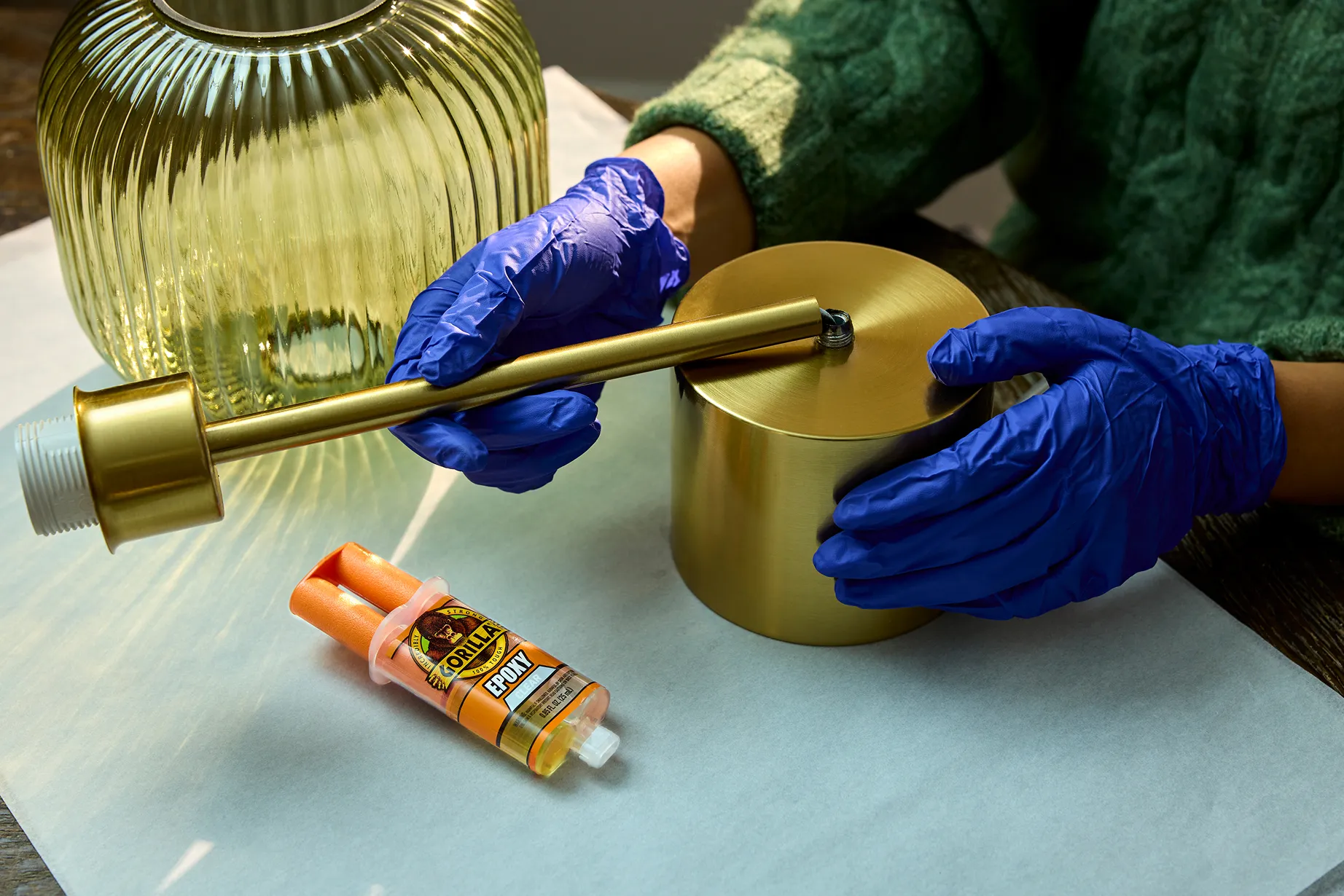
Bonds a wide range of materials, making it a go-to adhesive for nearly any project.
What Exactly Is Epoxy and
How Does it Work?
Epoxy is a strong, versatile, two-part adhesive made by mixing a resin and a hardener. Once combined, a chemical reaction occurs, creating a durable, water-resistant bond.
When the two ingredients are mixed together, the mixture begins to cure over several minutes, ultimately creating a durable, rock-solid bond during the curing process.
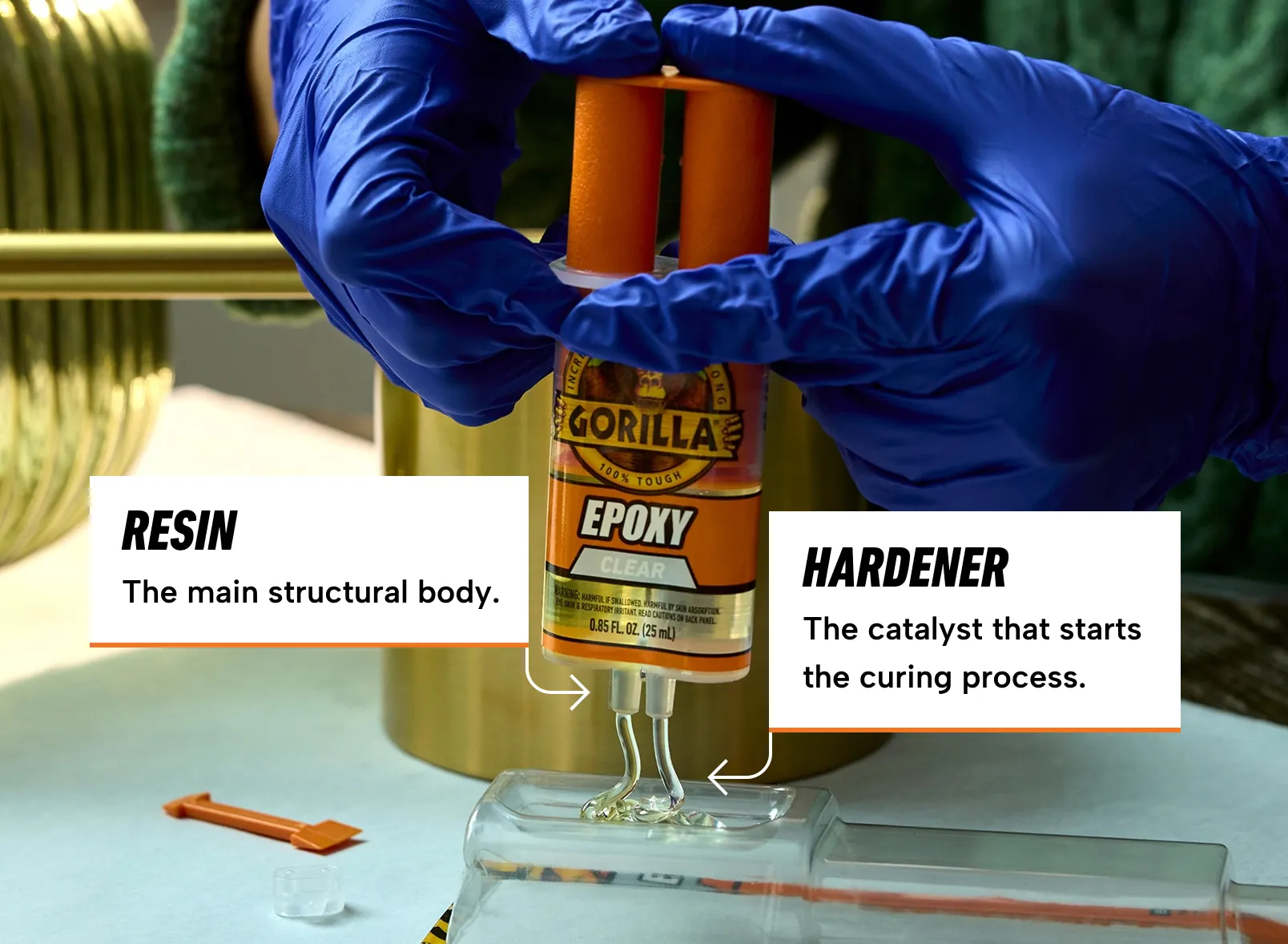
How do I use Gorilla Epoxy?

Work in a well-ventilated area and protect your surface from spills. Have your mixing tray and stir sticks ready before you begin.
For the best bond, lightly roughen smooth areas. Then clean and dry all surfaces to remove dust, grease, or debris.
- Remove stir stick from the middle of the plunger. Prior to opening, pull back slightly on the plunger to help minimize initial product flow.
- Remove the cap from both syringes.
- With the tip pointing upward, snap or cut off the end from the tip of the syringes.
- With the tip still pointing upward, slowly press the plunger until resin and hardener reach the tip. This removes air and ensures an even flow.
.webp)
- Push out equal parts of resin and hardener onto a clean, disposable surface. The package can be used as a mixing tray.
- Mix thoroughly for about 20 seconds until the mixture is uniform.
- As you mix, you will notice the epoxy warms up. This is a reaction that occurs as the resin and hardener combine.
.webp)
- Apply the epoxy to your fix. The mixture will continue to thicken, and the bond strength will decrease the longer you wait to apply.
- For Epoxy Clear: Apply within 5 minutes
- For Epoxy Ultimate: Apply within 3 minutes
- Join the surfaces and clamp them firmly. Leave your project undisturbed to allow the epoxy to fully cure and reach maximum strength.
.webp)
- Pull the plunger back slightly.
- Wipe the tip clean with a dry cloth.
- Align the notch on the tip with the cap and close tightly for storage.
.webp)

Timing Notes
Epoxy Clear: 5 minutes
Epoxy Ultimate: 10 minutes
Allow to cure for 30 minutes undisturbed
(no weight or handling)
24 hours
Watch our step-by-step video
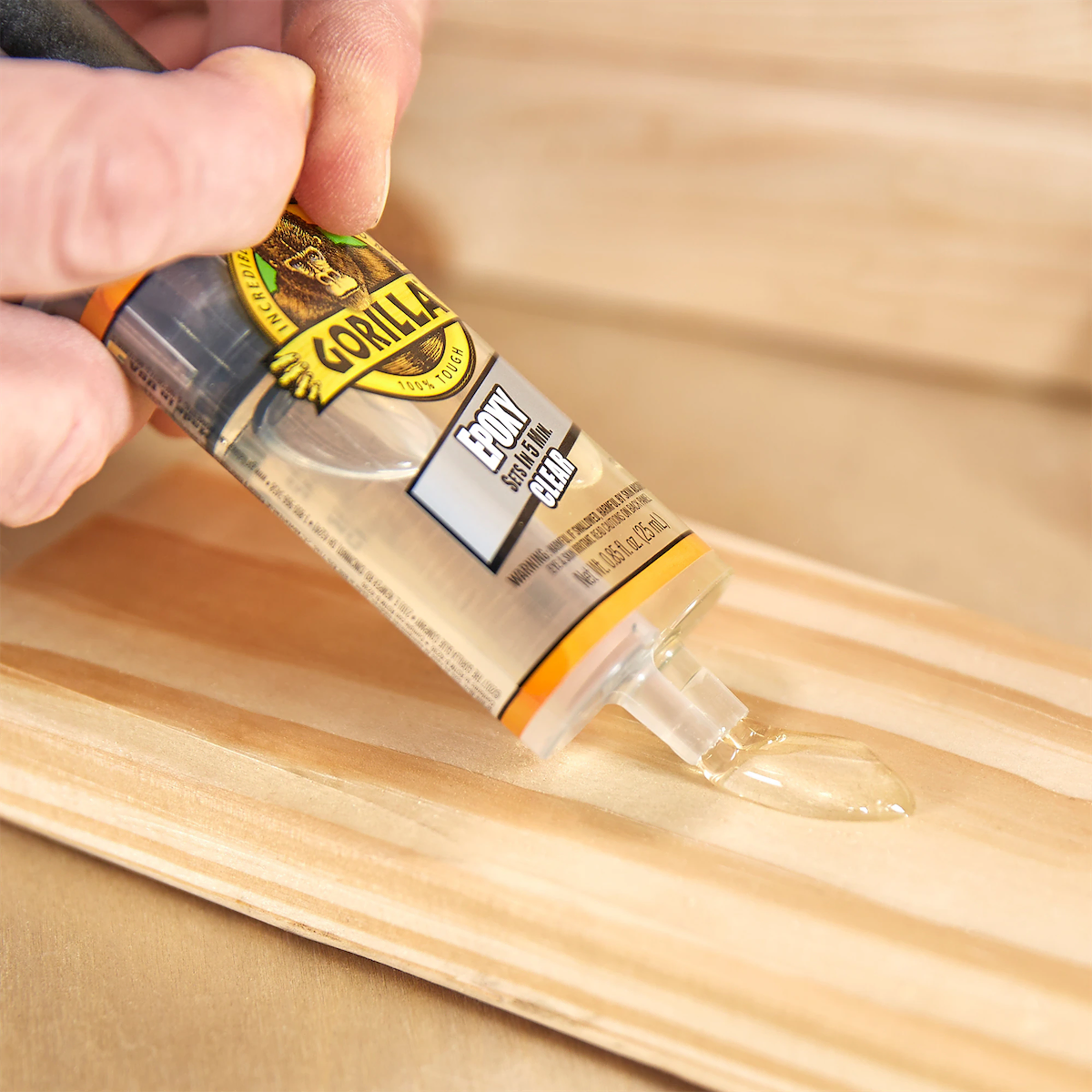
For tough repairs that need more than just a quick fix.
Gorilla Epoxy bonds well to a wide variety of surfaces including most plastics*, metal, wood, glass, ceramic, stone, tile and fiberglass.

Metal
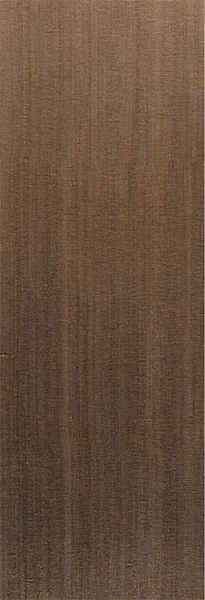
Wood
Ceramic
Glass
Most Plastics*
Stone
Tile
Fiberglass
*Not recommended for use on polyethylene or polypropylene plastics.
Stop replacing and start
repairing with confidence
Gorilla Epoxy
For clean, quick, indoor fixes:
Go with Gorilla Epoxy Clear.
Gorilla Epoxy Ultimate
For maximum strength and outdoor repairs:
Reach for Gorilla Ultimate Epoxy.
Frequently Asked Questions
Epoxy is a two-part adhesive made up of a resin and a hardener. When the two components are mixed together in equal parts, a chemical reaction occurs that causes the mixture to cure and harden into a durable, rock-solid bond. The mixture will begin to warm up during mixing — this is a normal part of the curing process. Once fully cured, epoxy creates a strong, permanent bond that resists impact, moisture, and stress far beyond what standard glues can achieve.
The two products differ in set time, strength, color, and water protection. Gorilla Epoxy (Clear) sets in 5 minutes, cures clear, is water resistant, and reaches up to 3,300 PSI of strength — making it ideal for indoor household repairs and projects where a clean, invisible bond matters. Gorilla Epoxy Ultimate sets in 10 minutes, cures black, is fully waterproof, and reaches up to 4,250 PSI — making it the better choice for heavy-duty repairs, outdoor projects, and surfaces regularly exposed to moisture.
Gorilla Epoxy is designed for versatility and bonds strongly to a wide range of materials including metal, wood, glass, ceramic, stone, most plastics*, tile, and fiberglass.
*Not recommended for use on polyethylene or polypropylene plastics.
Both Gorilla Epoxy and Gorilla Epoxy Ultimate reach full cure in 24 hours. However, the initial set happens much sooner — Gorilla Epoxy (Clear) sets in 5 minutes and Gorilla Epoxy Ultimate sets in 10 minutes. After joining the surfaces, leave the repair undisturbed for at least 30 minutes before any handling or light use, and wait the full 24 hours before subjecting the bond to significant stress or weight.
Yes, clamping is recommended while the epoxy sets. After applying the mixed epoxy and joining your surfaces, clamp the pieces firmly together and leave the repair undisturbed for at least 30 minutes. This ensures consistent pressure across the bond during the initial set period and helps achieve maximum strength.
Yes. Gorilla Epoxy bonds well to glass and is a reliable option for repairing broken vases, figurines, eyeglass frames, and decorative glassware. Gorilla Epoxy Clear is the preferred choice for glass repairs since it cures transparent, keeping the repair as invisible as possible. Lightly clean the surfaces, mix a small amount of epoxy, apply sparingly to one side, and hold the pieces together until the initial set is complete.
Yes, and for this application Gorilla Epoxy Ultimate is the right choice. Its fully waterproof formula and 4,250 PSI bond strength make it well-suited for repairing metal patio furniture, wooden benches, stone planters, ceramic garden ornaments, and similar outdoor items that face UV exposure, rain, and temperature swings. Always clean and dry surfaces thoroughly before applying, and allow a full 24-hour cure before returning the item to outdoor use.
Yes. Both Gorilla Epoxy formulas bond strongly to metal surfaces including steel, aluminum, and brass. This makes epoxy a solid choice for repairing metal brackets, handles, tools, and hardware. For best results on smooth or coated metal, lightly sand the bonding area first to give the epoxy a surface to grip, then clean away any dust or oil before mixing and applying.
Yes, with care. Gorilla Epoxy Clear is the better option for jewelry and decorative items because it cures transparent, keeping the repair discreet. Mix only a very small amount — epoxy's working time is limited and the mixture thickens quickly — and apply with a toothpick or fine tool for precision on small pieces. Because epoxy creates a rigid, permanent bond, it works best on hard materials like metal pendants, ceramic beads, stone settings, and glass components rather than flexible or soft materials.