.webp)
Reach for super glue when you need a fast, no-clamp fix on tight-fitting surfaces indoors. Reach for Gorilla Glue when the repair faces water or weather, or when surfaces are porous or rough and need a tough bond you can clamp.
What's the difference between Gorilla Glue and Super Glue?
Cyanoacrylate (CA)
Fast · Indoor · Precise
- Bonds in 10-45 seconds
- No clamping needed. Hold it briefly and you're done
- Best on tight fitting joints
- Dries clear for a clean look on visible repairs
- Recommended for indoor use
Polyurethane
Waterproof · Indoor/Outdoor · Heavy-duty
- 100% waterproof
- Foams ~3x as it cures
- Great for rough or porous surfaces like wood and stone
- Sandable & stainable once fully cured
- Requires clamping during cure process: Damp it, Glue it, Clamp it!
Gorilla Glue vs super glue: Side-by-side comparison
 Original Gorilla GlueOriginal Gorilla Glue | 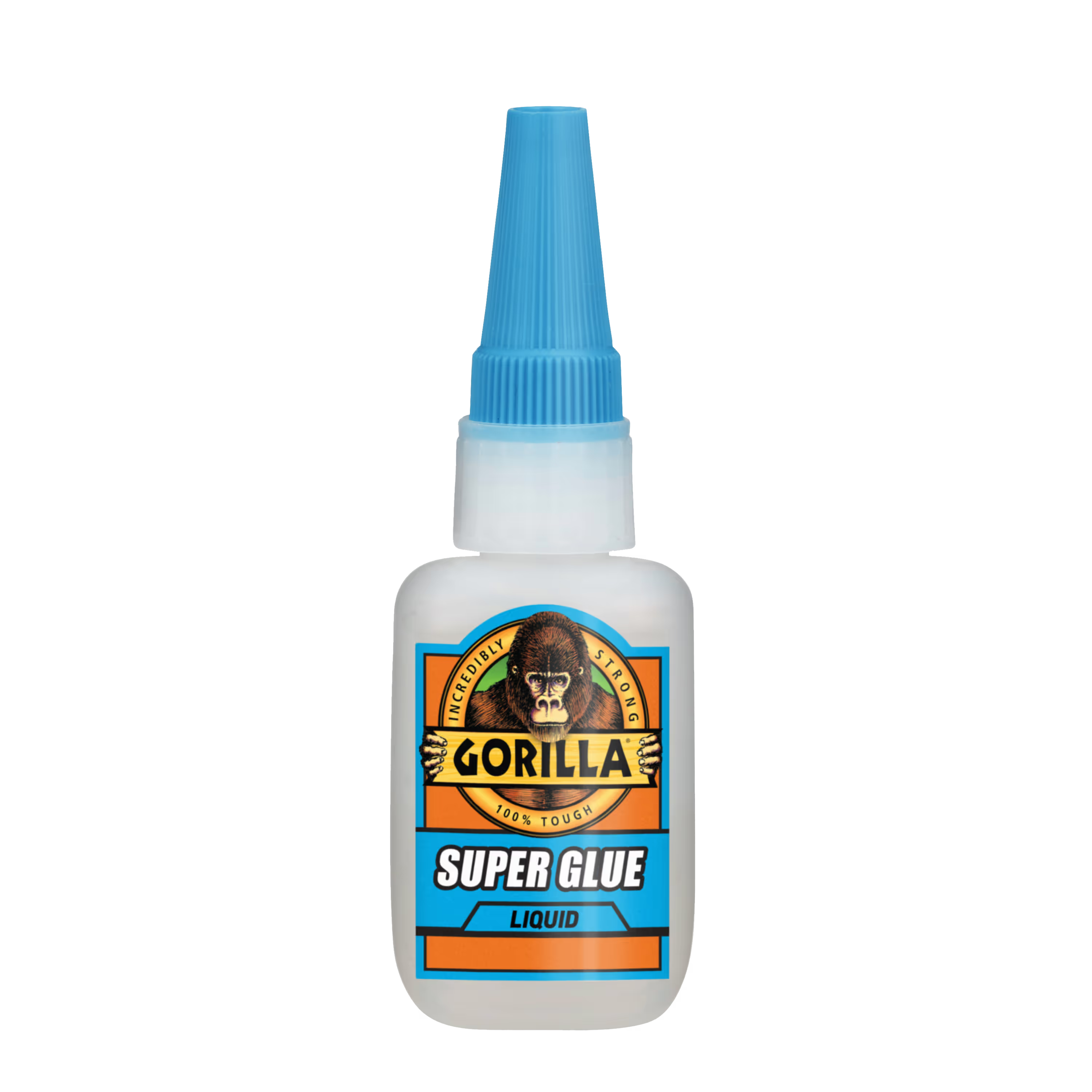 Gorilla Super GlueGorilla Super Glue | |
|---|---|---|
Chemistry | Polyurethane | Cyanoacrylate |
Set & Cure Time | Sets in 1-2 hours; full cure in 24 hours | Sets in 10-45 seconds; full cure in 24 hours |
Cure Behavior | Expands 3x; requires clamping | Bonds almost instantly; no clamping required |
Cure Color | Light Tan | Clear |
Water Resistance | 100% Waterproof | Bond weakens over time when exposed to water |
Best For | Bonding dissimilar surfaces (e.g. metal to brick) and oily woods like teak | Instant, tight-fitting, precise fixes |
WHERE TO BUY |
Need help choosing the right formula?
.webp)

How to use Gorilla Glue and super glue
Super Glue: Make sure both surfaces are clean and dry. Apply a small drop, press the pieces together, and hold for 10–45 seconds. Avoid stressing the bond for the first few minutes, and it'll reach full strength within 24 hours.
Notes:
- LESS IS MORE - only 1 drop of glue needed to cover a square inch
- Excess glue, gaps, and uneven surfaces may cause delayed or failed bonding
Gorilla Glue: Follows three steps, "Damp it, Glue it, Clamp it"
Gorilla Glue reacts with moisture to initiate the cure process. Lightly dampen one surface with water. We recommend using a damp cloth or spraying with water.
NOTE: For dense hardwoods, lightly dampen both surfaces prior to gluing.
Apply a thin layer to the dry surface. It expands about 3×, so be sure not to overdo it.
Press together and clamp for 1–2 hours with even pressure. Leave 24 hours for full strength. If you don’t have a clamp, use heavy objects or Gorilla Tape® to achieve the appropriate clamping pressure.
What mistakes should I avoid?
Most failed repairs come down to one of these.
- Using too much Gorilla Glue. It foams and expands, so over-applying creates messy "squeeze-out". Wipe wet excess with a dry cloth before it cures, because once dry, you'll have to sand or scrape it off.
- Skipping the moisture step. Gorilla Glue needs moisture to cure properly.
- Not clamping. If you can't clamp or weight the pieces, Gorilla Glue isn't the right choice. Super glue or epoxy will serve you better.
- Trying to bond the wrong plastic. Both Gorilla Glue and super glue struggle with polyethylene (PE) and polypropylene (PP). Use a plastic-specific adhesive with a primer instead.
Frequently asked questions
Is Gorilla Glue stronger than super glue?
Neither is universally stronger; it depends on the joint. Super glue makes a strong, rigid bond on tight, clean-fitting surfaces. Gorilla Glue's expanding polyurethane grips rough, porous, or uneven materials and survives water and temperature swings, which gives it the edge on heavy-duty and outdoor repairs.
How long does each glue take to dry?
Super glue sets in about 10–45 seconds and reaches near-full strength within 24 hours. Original Gorilla Glue should be clamped for 1–2 hours (roughly 80% cured) and left a full 24 hours for maximum strength. Cooler temperatures and thicker joints lengthen both times.
Can you use Gorilla Glue outdoors?
Yes. Original Gorilla Glue is 100% waterproof and resists hot and cold, so it holds up outdoors against rain, humidity, and weather. Standard super glue is recommended for indoor use, since its bond can weaken with prolonged moisture and temperature exposure.
Which glue should I use for porous materials like wood?
You can use Gorilla Glue for porous or rough surfaces such as wood, stone, foam, and ceramic. Its moisture-activated foam penetrates and grips these materials. Lightly dampen one surface, apply a thin layer, and clamp. Super glue works better on smooth, tight-fitting, non-porous materials.