Last updated: August 2026 · Reviewed by the Gorilla Glue Technical Team
To waterproof a tent, clean and dry the tent completely, patch any holes with Gorilla Waterproofing Tape, then seal the tent body and seams with Gorilla Waterproofing Spray.
Tape
.avif)
Spray
Every tent loses its waterproofing over time. UV exposure, dirt, abrasion, and regular use all break down the factory coatings that keep you dry. The good news? Re-waterproofing your tent is a straightforward DIY job that can extend the life of your gear by years.
In this guide, we'll walk you through how to identify where your tent is leaking, which products to use for each type of repair, and the exact steps to make your tent weather-ready again.
Signs Your Tent Needs Waterproofing
If you spot any of these signs, it's time for a refresh before your next trip.
- Water Soaks In
- Rain no longer beads on the surface — it soaks straight through the fabric.
- Peeling Seam Tape
- Factory seam tape is lifting, cracking, or flaking away from stitching lines.
- Visible Holes or Tears
- Small punctures, abrasion holes, or tears in the tent body or rain fly.
Waterproofing Your Tent: Step-by-Step Directions
Follow these steps for a thorough waterproofing job. Work outdoors or in a well-ventilated area.

Set up your tent fully and take a close look at every surface. Check seam tape for peeling, look for pinholes by holding fabric up to light, and run your hand over the inner coating to feel for sticky or flaking areas.
Wipe down the entire tent with a damp cloth or sponge and mild soap. Remove all dirt, debris, tree sap, and grime. Let the tent dry completely before applying any waterproofing product — moisture trapped under a sealant can cause mildew.
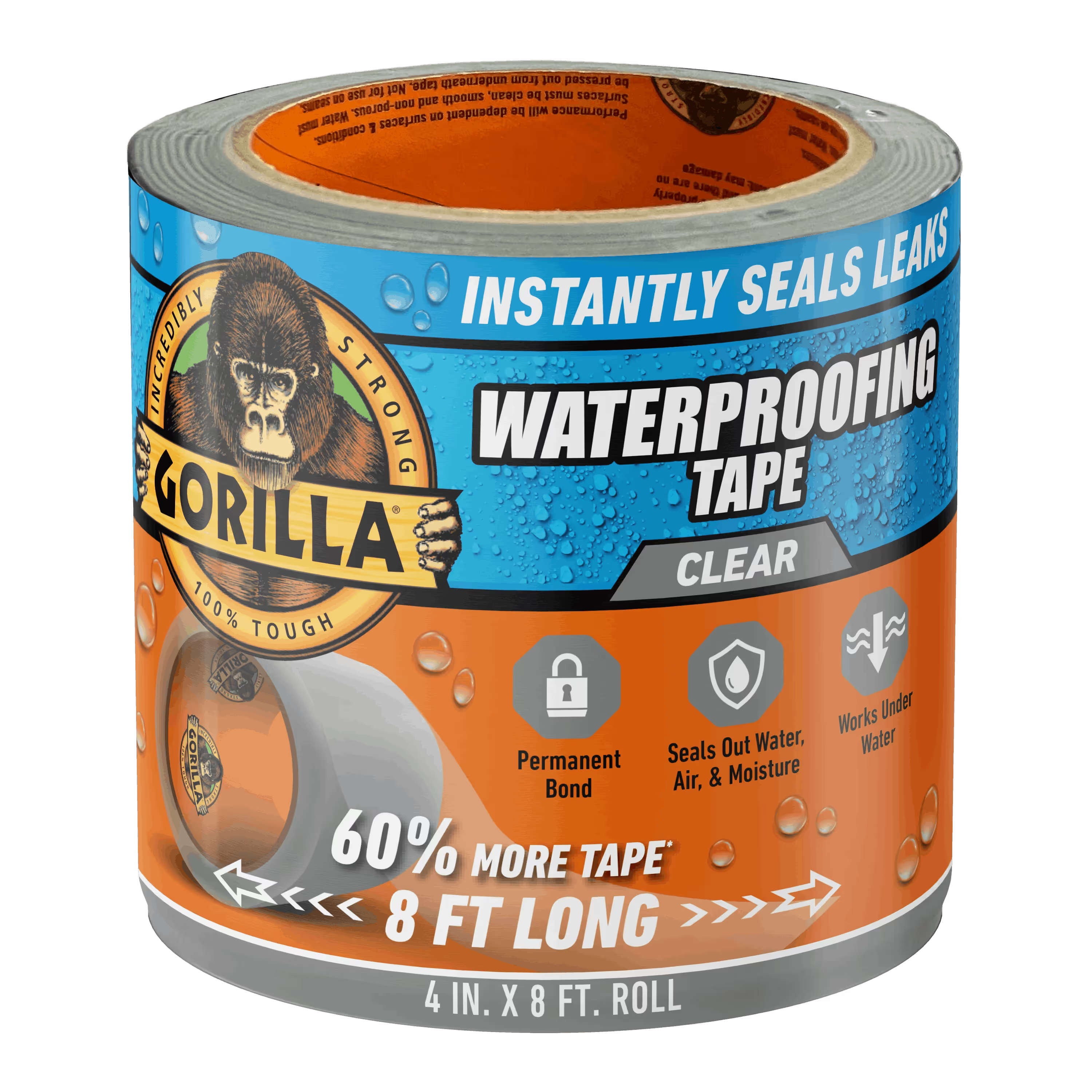
For small holes and tears, Gorilla Waterproofing Tape creates an instant, waterproof seal. Cut a piece larger than the damaged area and round the corners to prevent lifting over time. Clean the surface, press firmly, and smooth out any air bubbles.
For best results, apply tape to both sides of the repair. The tape conforms to form a permanent bond and works on fabric surfaces.
Seams are the most common leak point. Apply Gorilla Waterproofing Spray along all seams on the inside of the tent, focusing on floor seams, rain fly seams, and any areas where water tends to pool or run.
If water no longer beads on the fabric, the DWR (Durable Water Repellent) coating has worn off. Apply a waterproofing spray to the outside of the rain fly and tent body. Gorilla Waterproofing Spray applies a flexible, rubberized coating that seals out water, air, and moisture.
Spray 8–12 inches from the surface, covering evenly. Apply multiple coats to ensure full coverage, and allow drying between coats and before water exposure.
Allow everything to cure fully before packing the tent away. Once cured, test with a garden hose or wait for rain to confirm your repairs are watertight.
Choosing The Right Product
Different problems need different solutions. Here's how to match your repair to the right Gorilla product.
Repair Type
Best Gorilla product
Small holes or tears
Worn surface on rain fly
Cracks along seams or stitching
Larger damaged areas on fly or body
Emergency field repair
Gorilla Waterproofing Tape may not adhere to silicone-treated or heavily water-repellent surfaces. For best results, apply to a clean, non-coated area of fabric. Always test on a small area first.
Shop the Solution
Tape
Spray
Prevent Future Tent Leaks
Always dry before packing. Packing a wet tent is the fastest way to destroy its waterproofing. Mildew, delamination, and coating breakdown all accelerate when moisture is trapped.
Store loosely. Keep your tent in a large, breathable storage sack. Prolonged compression can damage coatings.
Use a footprint. A ground sheet under your tent protects the floor from abrasion and punctures, the two most common causes of floor leaks.
Avoid prolonged sun exposure. UV light breaks down both DWR coatings and fabric strength. When possible, set up in shade.
Pack a field repair kit. A strip of Gorilla Waterproofing Tape weighs next to nothing and can save a trip if you catch a tear on the trail.
Frequently asked questions
How often should you waterproof a tent?
Most tents need re-waterproofing every 1–2 years with regular use, or whenever you notice water is no longer beading on the fabric surface. If you camp frequently in heavy rain, you may need to reapply more often.
Can you waterproof a tent with spray?
Yes. Gorilla Waterproofing Spray applies a flexible, rubberized coating that seals out water, air, and moisture. Spray 8 to 12 inches from the surface in a well-ventilated area, apply multiple coats, and allow full cure time before rain exposure.
How do you fix a tear in a tent?
For small tears and holes, use Gorilla Waterproofing Tape. Cut a piece larger than the damaged area with rounded corners, clean the surface, and press firmly. For best results, apply tape to both sides of the repair when possible.
What causes a tent to lose its waterproofing?
UV exposure, abrasion, dirt buildup, and age all break down a tent's DWR (Durable Water Repellent) coating and seam tape over time. Improper storage — like packing a tent while still wet — can also accelerate deterioration through mildew and delamination.
Can you waterproof tent seams?
Yes. Seams are the most common leak point because stitching creates tiny needle holes in the fabric. Apply Gorilla Waterproofing Spray along all seams, focusing on floor seams and rain fly seams where water pools or runs.